INSIGHTS
Instagram vs. Facebook: Which Platform Drives Better ROI?
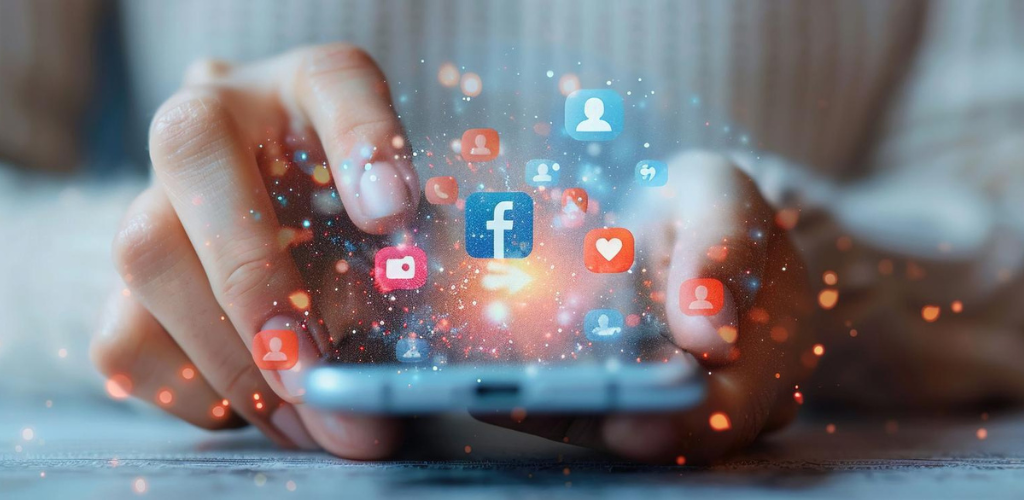
When it comes to social media marketing, Instagram and Facebook are two of the most powerful platforms. Both offer massive user bases, advanced targeting options, and multiple ad formats. But the big question for businesses is: which platform delivers a better return on investment (ROI)? The answer depends on your goals, audience, and type of content.
Audience and Engagement
Facebook remains the largest platform, making it ideal for reaching a broad demographic. It works well for businesses targeting older age groups, local communities, or offering services that require detailed information. Facebook Ads also provide advanced features like lead generation forms and event promotions, which are perfect for certain industries.
Instagram, on the other hand, is highly visual and attracts a younger audience, particularly Millennials and Gen Z. If your brand thrives on visuals like fashion, food, travel, or lifestyle—Instagram can drive higher engagement. Stories, Reels, and influencer partnerships make it a strong choice for brand awareness and audience interaction.
Next, focus on local SEO so your website ranks in your city or neighborhood. Use geo-targeted ads on Facebook and Instagram to showcase listings and market updates to local buyers and sellers. Don’t forget the power of reviews ask satisfied clients for 5-star testimonials because social proof matters.
ROI Comparison
When measuring ROI, both platforms can perform well if used strategically. Facebook often delivers strong results for conversions and lead generation because of its robust targeting and detailed analytics. Instagram excels in brand engagement and awareness, which can indirectly lead to conversions over time.
Cost-wise, Instagram ads tend to have higher engagement rates, but Facebook ads often provide more affordable clicks and conversions. The right choice comes down to your campaign objective: if your goal is direct sales or lead generation, Facebook might offer better ROI. If your focus is brand building and engagement, Instagram could be the winner.
In a nutshell, there’s no one-size-fits-all answer. The best strategy is to test both platforms, track performance, and allocate more budget to the one delivering the best results for your business goals. A balanced approach using Facebook for conversion campaigns and Instagram for engagement often works best for long-term growth.
Explore Instagram vs. Facebook for marketing ROI. Learn which platform suits your business goals and delivers better engagement, conversions, and results.


Leave a Comment